Introduction to Puffed Rice Manufacturing: How a Muri Making Machine Works
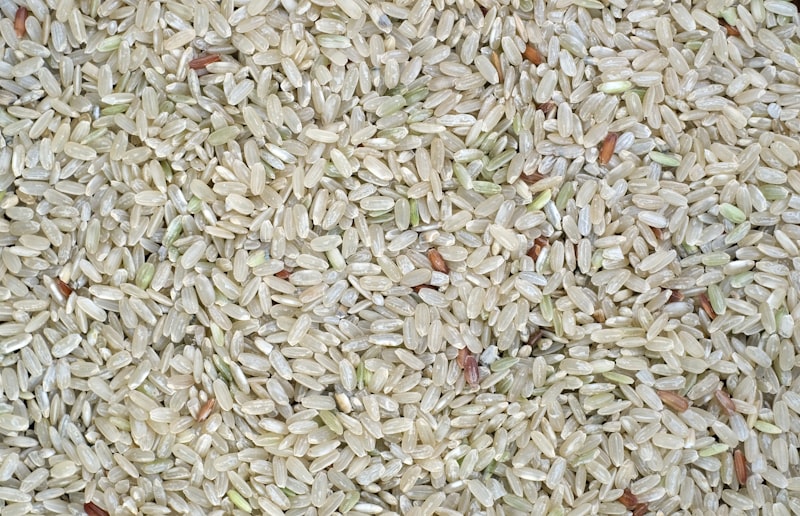
Puffed rice, known as "Muri" in Bengal, "Murmura" in Hindi, and "Pori" in South India, is one of the most popular snack foods across the Indian subcontinent. The transformation of ordinary rice grains into light, crispy puffed rice is a fascinating process that combines traditional knowledge with modern engineering.
Understanding the Puffing Process
The fundamental principle behind puffed rice production is the rapid expansion of moisture trapped within the rice grain when subjected to high temperatures. This process, known as "puffing," occurs through a phenomenon called flash evaporation.
The Science Behind Puffing
When rice grains are heated rapidly, the moisture inside the grain turns into steam. The outer layer of the grain acts as a pressure vessel, containing this steam until the internal pressure exceeds the structural integrity of the grain. At this point, the grain "pops" or "puffs," expanding to several times its original size.
Key Components of Modern Muri Making Machines
Modern muri making machines have evolved significantly from traditional methods. Here are the essential components:
- Rotating Drum: Made of mild steel or stainless steel, this is where the rice is heated and puffed
- Heating System: Can be powered by LPG, diesel, wood, coal, or electricity
- Motor and Gear System: Controls the rotation speed of the drum
- Feeding Hopper: For loading raw rice into the machine
- Collection Tray: For gathering the puffed rice
The Manufacturing Process Step by Step
- Rice Preparation: The process starts with selecting the right variety of rice, typically "Chela Rice" which is pre-boiled and dried
- Pre-heating: The rotating drum is heated to the optimal temperature (typically 200-250°C)
- Rice Loading: Pre-conditioned rice is fed into the heated drum
- Puffing: As the rice grains heat up, they puff and expand
- Collection: The puffed rice is collected and cooled
- Cleaning: Any unpuffed grains or impurities are separated
Why Choose a Modern Muri Making Machine?
Compared to traditional methods, modern machines offer several advantages:
- Higher production capacity (50 to 5000 kg/hr depending on model)
- Consistent quality output
- Better heat control and efficiency
- Reduced labor requirements
- Improved hygiene standards
- Lower fuel consumption
Getting Started with Your Muri Business
If you're considering starting a puffed rice manufacturing business, understanding the basics of how these machines work is the first step. Karmakar Engineering Works offers a range of machines suitable for different scales of operation, from small semi-automatic units for beginners to large industrial systems for established businesses.
Contact us today to learn more about our machines and get a customized recommendation for your business needs.